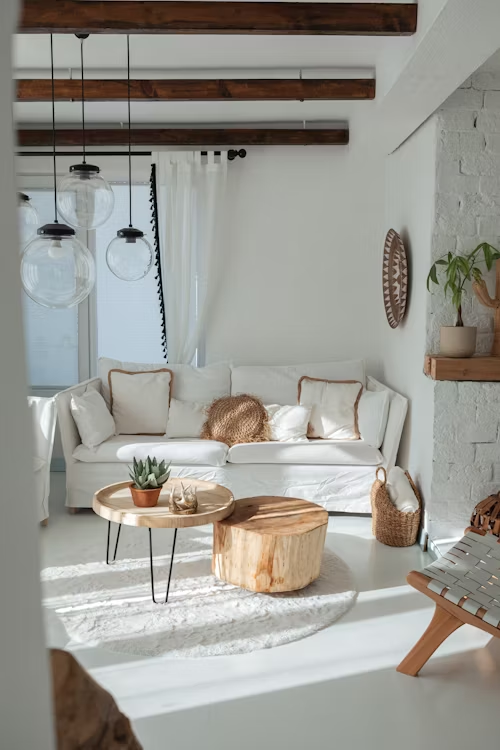
Introduction
Interior design inspiration plays a vital role in shaping homes that feel harmonious, stylish, and deeply personal. In a world where living spaces serve multiple purposes—work, rest, and connection—thoughtful design can dramatically enhance comfort and functionality. This article explores practical and transformative ideas that work for any room, helping homeowners blend creativity, balance, and aesthetic cohesion with ease.
1. Embracing Modern Interior Design Inspiration Trends
Modern design continues to influence the way homeowners craft purposeful and visually appealing environments. Minimalist aesthetics remain a top choice, offering clean lines, uncluttered layouts, and calming neutral palettes. This approach not only elevates elegance but also encourages mindfulness within the home.
Another prominent trend is biophilic design, which incorporates natural elements such as plants, organic textures, and sunlight. Research has shown that interacting with nature, even indoors, can reduce stress levels and support emotional well-being. By bringing greenery and natural finishes into living spaces, homeowners create environments that feel fresher and more inviting.
For smaller homes, multi-functional furniture is becoming indispensable. Pieces such as fold-out desks, modular sofas, and storage-integrated seating allow spaces to adapt effortlessly to daily needs. This trend supports both modern aesthetics and efficient living.
2. Color Palettes and Textures That Spark Interior Design Inspiration
Color and texture greatly influence the character and mood of a room. Designers often look to trending color palettes—soft earth tones, muted greens, or deep jewel hues—to create emotion-driven atmospheres. The right color selection can energize, calm, or add sophistication to a space.
Textures play an equally important role. Layering materials like wood, linen, stone, metal, and rattan adds visual depth and tactile richness. When combined thoughtfully, these textures create a dynamic yet cohesive environment.
Accent walls and statement ceilings are also powerful ways to refresh a room without a complete renovation. Whether using bold paint, wallpaper, or detailed paneling, these elements draw attention and instantly give a room more personality. Design research consistently emphasizes how color psychology affects a person’s perception, making these choices impactful for everyday living.
3. Creative Space Planning and Layout Ideas for Interior Design Inspiration
Efficient space planning transforms how a home functions. In open-concept layouts, zoning techniques—such as rugs, furniture arrangements, or lighting variations—help distinguish areas for dining, working, and relaxing without the need for walls.
For compact rooms, strategic placement of furniture can maximize available space and improve comfort. Floating shelves, corner seating, and vertical organization free up floor area while maintaining style.
Design experts frequently highlight the importance of maintaining balanced proportions. Ensuring the right spacing between furniture pieces enhances flow, reduces clutter, and supports functionality. A thoughtful layout allows each element in the room to serve a purpose.
4. Accessorizing and Styling for a Final Touch of Interior Design Inspiration
Accessories complete a room by adding charm, personality, and visual harmony. Curated décor pieces—such as artwork, sculptural objects, candles, and indoor plants—help tell a story and reflect the homeowner’s identity.
Lighting is another transformative element. From pendants to sconces and floor lamps, proper lighting can expand visual space and improve the overall ambience. Studies show that effective lighting contributes significantly to mood and comfort.
Mirrors are also powerful tools for design. They brighten rooms by reflecting natural light and create the illusion of a larger space, making them ideal for small areas.
Conclusion & Call-to-Action
Transforming a home begins with thoughtful interior design inspiration that blends trend awareness, creativity, and smart planning. Whether you’re refreshing a single room or reimagining your entire space, these ideas offer a strong foundation for stylish and functional living. Explore these concepts further, experiment with new textures or layouts, and start creating a home that truly reflects your lifestyle.